
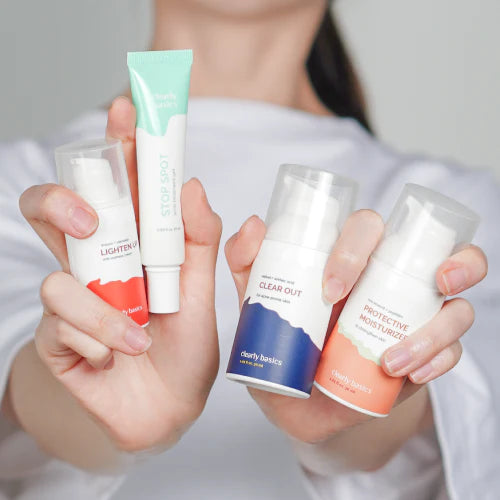




Ever notice how your skin starts acting differently as the seasons shift? One month you’re glowing, smooth, and balanced, the next, you’re battling unexpected breakouts, dry patches, or sensitivity. You’re not imagining it. Seasonal changes in temperature, humidity, sun exposure, and even your daily routine can influence how your skin behaves. That’s why knowing your current skin type, not just the one you’ve always identified with, is crucial for maintaining healthy, radiant skin.
Your skincare should adapt to the weather, and understanding what your skin needs right now is the first step to giving it the support it deserves.
Skin isn’t static. Like your mood or your energy levels, it responds to what’s happening around (and inside) you. During the warmer months, increased heat and humidity often lead to more sweat and oil production. In contrast, colder weather can strip moisture from your skin, leaving it tight, flaky, or irritated.
Environmental changes like wind, air conditioning, or indoor heating can all disrupt your skin’s natural balance and even throw off products that used to work perfectly for you. This is why a summer skincare routine often looks different from a winter one, and why tuning into your skin seasonally can prevent everything from dullness to breakouts.
Five Primary Skin Types
Oily, dry, combination, sensitive, and normal, each of them can behave differently depending on the time of year.
2. Dry skin tends to worsen during the colder months or in low-humidity climates. Signs like tightness, flaking, and dullness may become more noticeable, especially after cleansing.
3. Combination skin is a bit of a shape-shifter. You might feel oilier in some areas (like your forehead or nose) and drier in others (like your cheeks), especially during transitional seasons like spring and fall. This imbalance often confuses people into over-correcting with harsh products, which can make things worse.
4. Sensitive skin easily reactive, prone to redness, itching, or stinging. Seasonal triggers like pollen, pollution, UV rays, or even a new sweater can set it off. If this sounds like you, your focus should be on calming, fragrance-free formulas and a minimalist routine.
5. Normal skin. While it may sound like a dream, even normal skin isn’t immune to seasonal changes. The key here is to maintain consistency, stay hydrated, and adjust gently when your skin asks for it.
|
Skin Type
|
Oil Production
|
Common Concerns
|
Seasonal Behavior
|
Age-Related Considerations
|
|
Oily
|
High (excess sebum)
|
Shine, acne, blackheads, clogged pores
|
Worse in summer/humidity; may improve in colder months
|
Most common in teens & 20s due to high hormones; may reduce with age, but adult acne is still possible in 30s–40s.
|
|
Dry
|
Low (lacks natural oils)
|
Flaking, tightness, dullness, sensitivity
|
Worsens in winter or dry climates
|
Increases with age, especially post-30 as sebum and collagen production decline. More common in mature skin.
|
|
Combination
|
Both oily & dry areas
|
T-zone shine, dry cheeks, occasional breakouts
|
May shift with temperature or routine changes
|
Common in 20s–30s. Can evolve into dry or normal skin with age, especially after 40.
|
|
Sensitive
|
Varies (may fluctuate)
|
Redness, irritation, stinging, allergic reactions
|
Reactive year-round; worsens with stress or environment
|
Can appear at any age. Often linked to barrier dysfunction, which worsens with aging or aggressive skincare habits.
|
|
Normal
|
Balanced
|
Minor issues, occasional dryness or blemishes
|
Maintains stability but can shift with weather or habits
|
Most common in childhood through early 20s. Harder to maintain with age as skin naturally becomes drier.
|
What This Means for Skincare at Every Age
-
Teens/20s: Oily and combination skin types are more common due to active sebaceous glands and hormonal fluctuations. Acne and clogged pores are key concerns.
-
30s/40s: Hormones begin to stabilize, but lifestyle and stress may trigger sensitive or combo skin. Collagen and hydration start to decrease.
-
50+: Skin tends to shift toward dryness and sensitivity. Barrier repair, nourishment, and gentle care become essential.
In the end, your skin is a living, breathing organ, not a fixed label. It’s normal (and healthy) for it to change. The best thing you can do is stay curious and responsive.
Want a little help? Shop our Clearly Basics collection created for each skin concerns.
Whatever your skin is feeling this season — Clearly Basic’s here to help it thrive.


